The provenance of construction materials has become a selection criterion on construction sites, whether for public contracts, constructions subject to the French RE2020 environmental regulation, or projects engaged in a CSR approach. For cement, the question of origin arises with particular acuity: France is today partly dependent on imports for its cementitious raw materials.
In this context, natural Prompt cement occupies a singular position: it is manufactured by Vicat from a single stone extracted in the Chartreuse massif, in Isère, and the entire production chain is carried out in France. This article presents the elements that characterise this 100% French cement from a unique deposit.
Why talk about French cement today?
The traceability of construction materials responds to several recent requirements:
- Public contracts, in which the French share of materials may constitute an award criterion
- The French RE2020 environmental regulation, which favours materials with a low transport impact
- The CSR approaches of project owners, which integrate industrial sovereignty among their selection criteria
- Environmental labels and ecolabels that take into account the geographical origin of the constituents
For a cement to be qualified as "100% French", three criteria must be met: the raw material extracted in France, the firing carried out in France, and the packaging done in France. Natural Prompt cement meets these three criteria for all its constituents, with no recourse to clinker, secondary constituent or corrector of foreign origin.
The traceability of natural Prompt cement: from the deposit to the bag
The production chain of natural Prompt cement takes place entirely on French soil, on a single industrial site. No imported raw material enters into its composition.
A unique geological deposit: the stone of La Pérelle
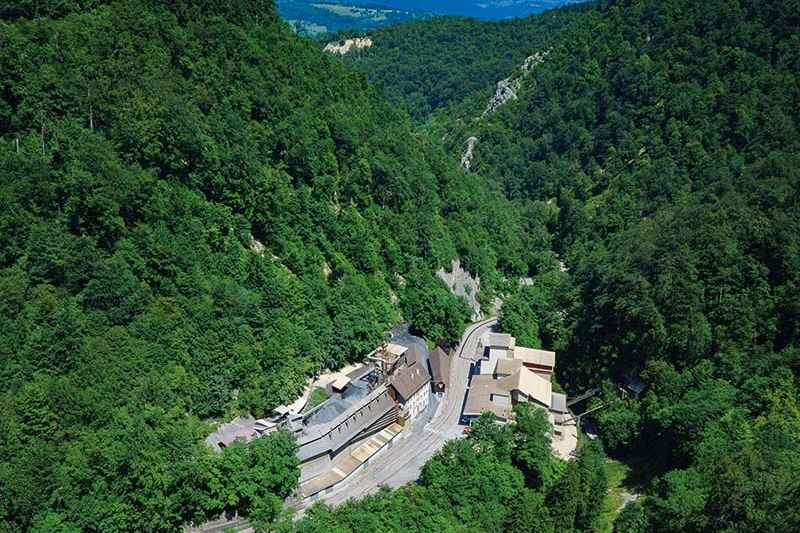
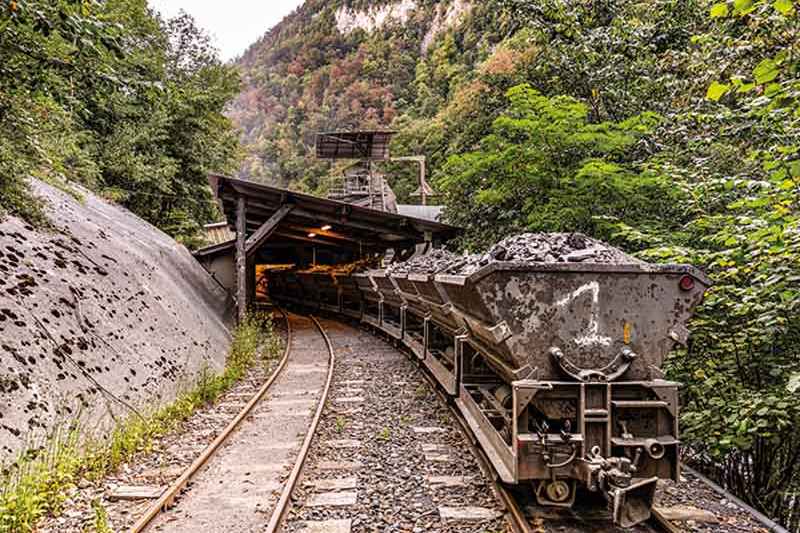
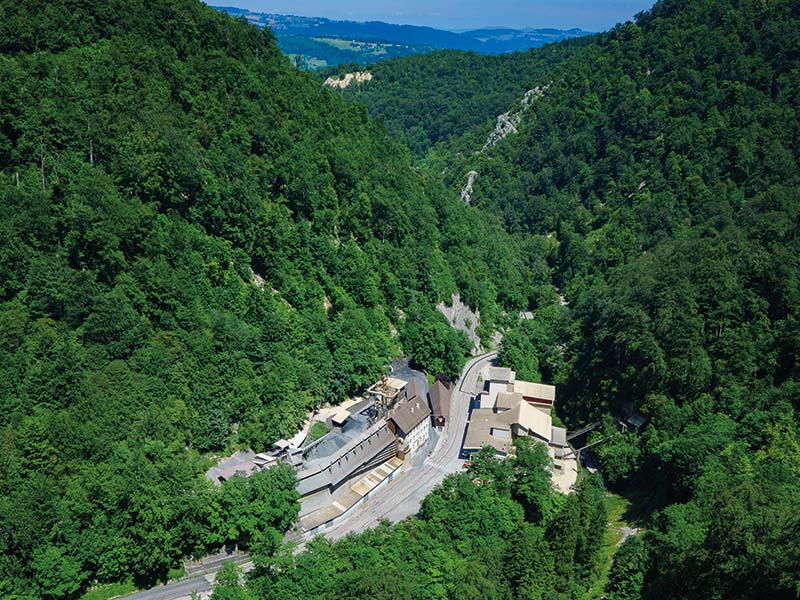
The raw material of natural Prompt cement comes from a deposit located in La Pérelle, in the Chartreuse massif, in Isère. It is an argillaceous limestone rock with a particular mineralogy, whose natural composition allows, after firing, the production of a cement with specific properties without any added corrector constituent.
The Vicat 2024 product datasheet states it explicitly: natural Prompt cement is "manufactured from a single stone with a unique mineralogy and without any addition". This geological singularity is highlighted by Vicat as an exclusive characteristic of the deposit.
Manufacturing entirely carried out in France
The stone extracted at La Pérelle is fired on site, at a temperature between 500 and 1,200 °C. The La Pérelle quarry, in Isère, is the only site producing natural Prompt cement.
The finished product is then packaged in 5 kg or 25 kg bags 20 km from the quarry, then distributed in France and for export. The whole chain, from the extraction of the rock to the bagging, is carried out in France, by Vicat teams, in a plant established on the national territory since the 19th century.
A Vicat exclusivity recognised since the 19th century
Natural Prompt cement is an exclusivity of the Vicat group. This exclusivity is due to the geological nature of the deposit, which is not subject to any known equivalent industrial exploitation. It gives natural Prompt cement a particular status in the French cement industry: a unique product whose production cannot be relocated by construction.
Natural Prompt cement complies with the French standard NF P 15-314, with the French standard NF P 15-317 for marine works, and holds the CE marking in accordance with European Technical Approval ETA-07/0019. It is also certified according to the NF-Hydraulic Binders mark reference (NF 002).
Uses where French traceability makes the difference
On certain projects, the French origin of the cement constitutes a decisive argument:
- Public contracts integrating a material provenance criterion in the evaluation grid
- Restoration of historic monuments, where the patrimonial coherence of the project is valued
- Construction projects subject to environmental labels or HQE-type certifications
- Projects carried out in an explicit CSR approach, with a requirement of transparency on the supply chain
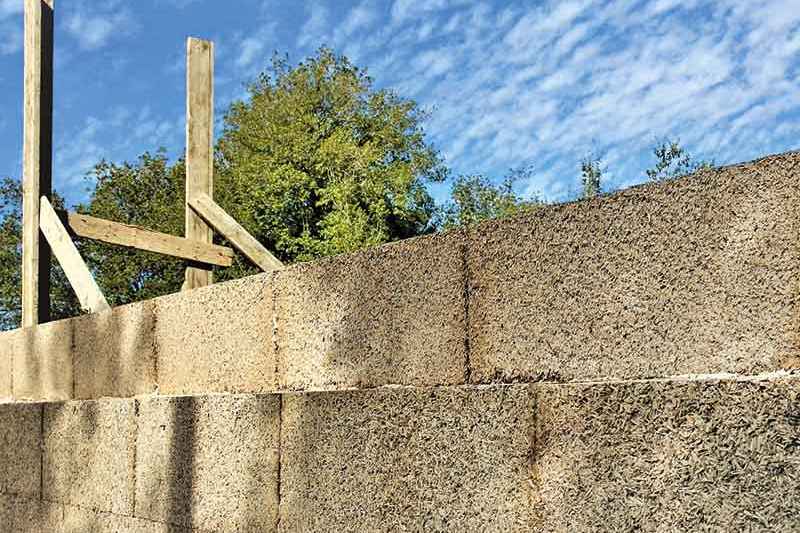
- Biosourced constructions, where the local coherence of materials is a strong expectation
On these projects, natural Prompt cement provides a documented and verifiable response, supported by the official Vicat product datasheet and by the certifications it holds.
Several cement manufacturers operate production sites in France, from raw materials partly extracted locally and partly imported (clinker, slag, ash, gypsum depending on the types of cement). Natural Prompt cement is distinguished by the fact that the entirety of its raw material is extracted in the Chartreuse massif and that its manufacture is entirely carried out at La Pérelle, in Isère.
Natural Prompt cement is manufactured from a single stone extracted in the Chartreuse massif, without any addition of secondary constituent or corrector of foreign origin. The firing, grinding and packaging are carried out on the French site of La Pérelle, in Isère. The Vicat 2024 product datasheet indicates that the raw materials and the manufacturing are entirely French.
Yes. Natural Prompt cement is an exclusivity of the Vicat group. The La Pérelle deposit, in the Chartreuse massif, is operated solely by Vicat.
Natural Prompt cement complies with the French standard NF P 15-314, with the French standard NF P 15-317 for marine works, and holds the CE marking in accordance with European Technical Approval ETA-07/0019. It is also certified according to the NF-Hydraulic Binders mark reference (NF 002).
The choice of a French cement may meet several requirements: an award criterion in a public contract, a traceability requirement in a CSR approach, coherence with an environmental label, or the desire to reduce transport distances to limit the logistical impact of the project. The relevance of the criterion depends on the project and the project owners concerned.
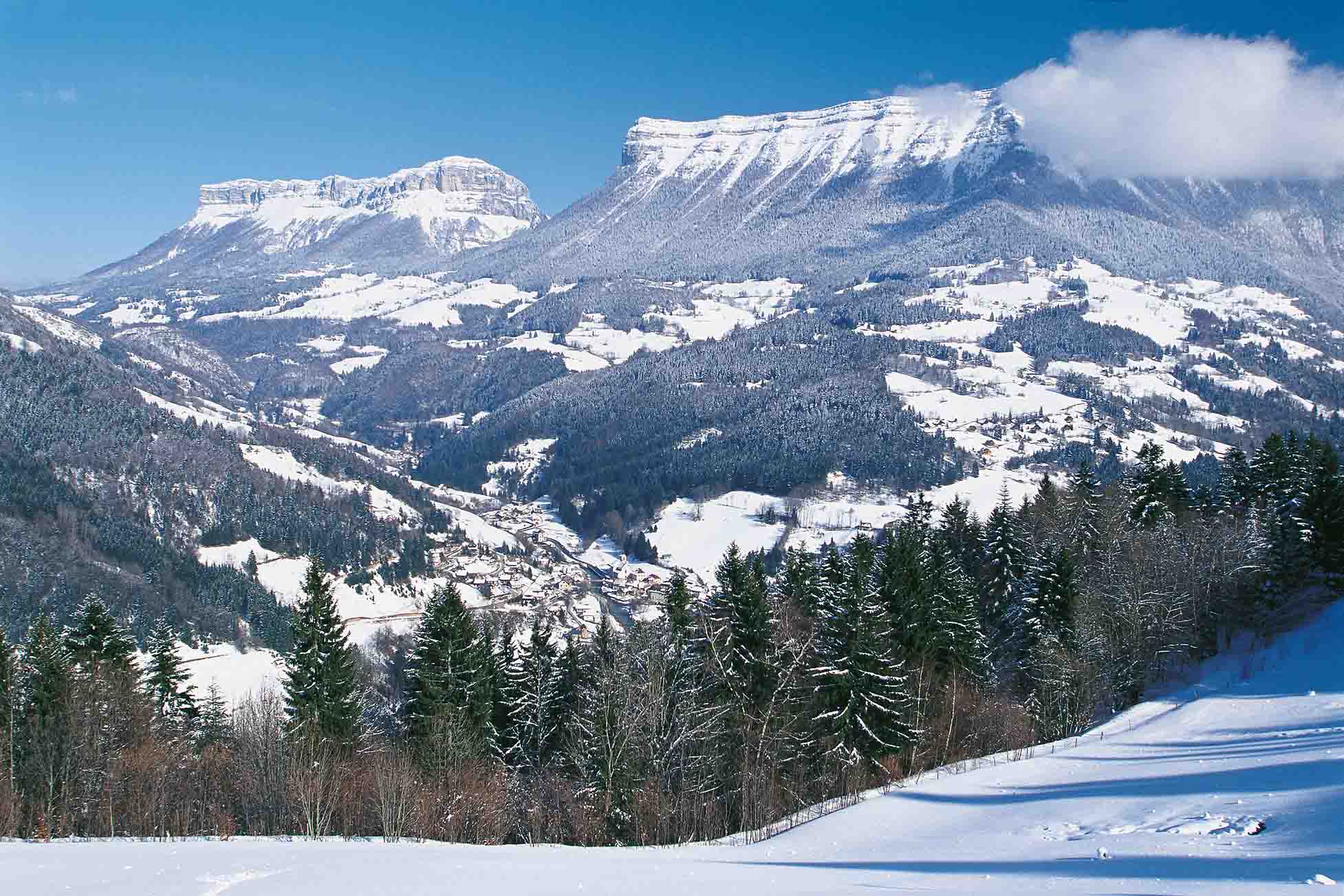


In this context, natural Prompt cement occupies a singular position: it is manufactured by Vicat from a single stone extracted in the Chartreuse massif, in Isère, and the entire production chain is carried out in France. This article presents the elements that characterise this 100% French cement from a unique deposit.