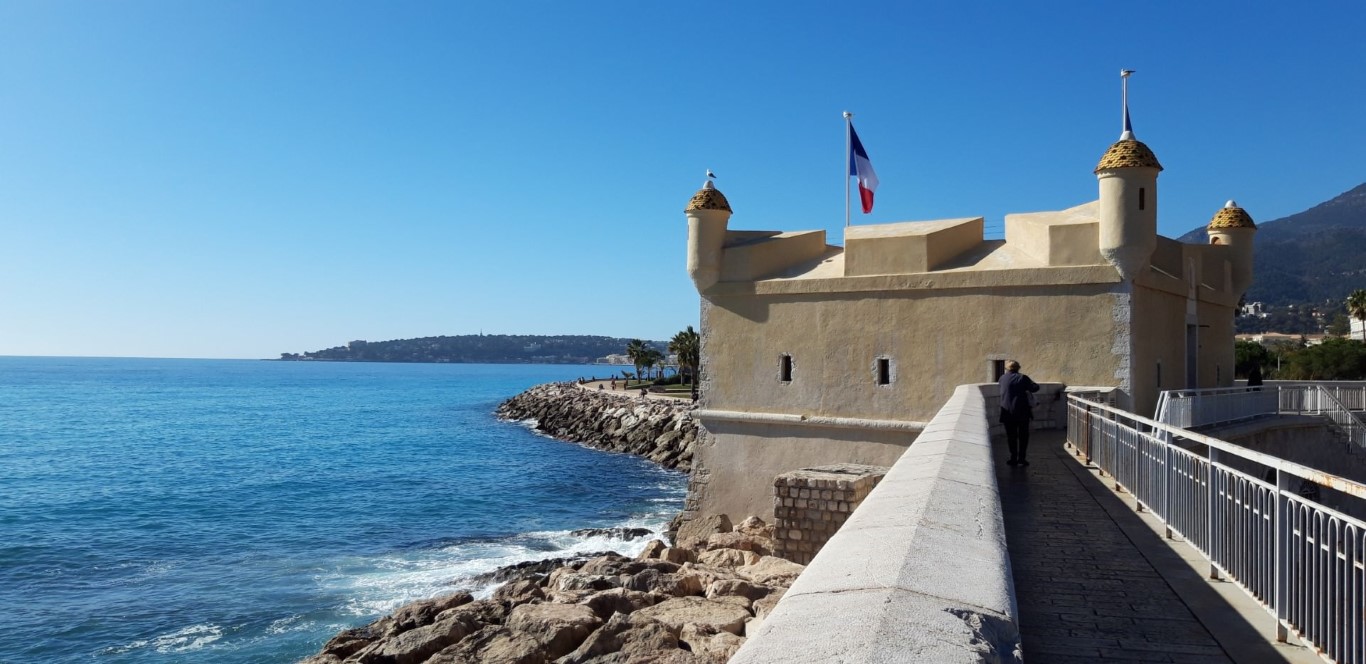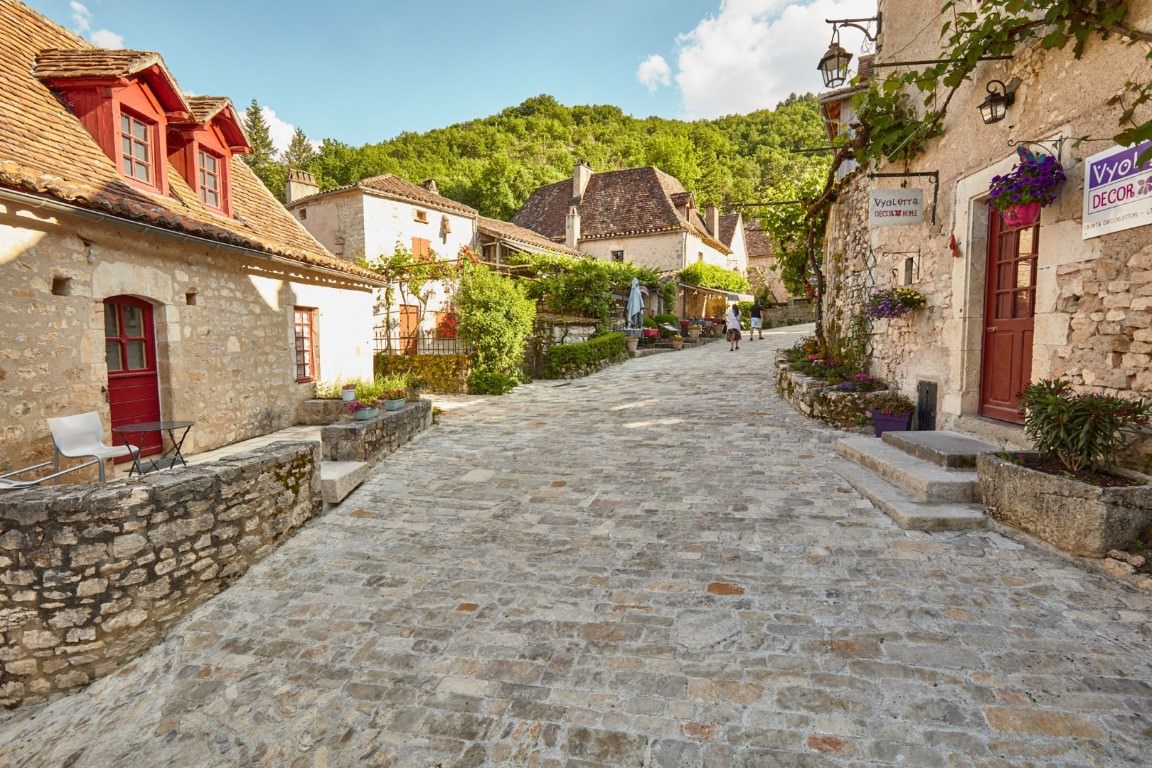
One of the characteristics of PROMPT natural cement is its light ochre color, so unique, unlike the gray color of conventional cements. This shade, naturally ochre, appears after a few hours or even a few days.
Combined with its matte appearance, it closely resembles the color of natural stone or 19th and 20th-century moldings, making PROMPT natural cement an ideal material for decoration and restoration.
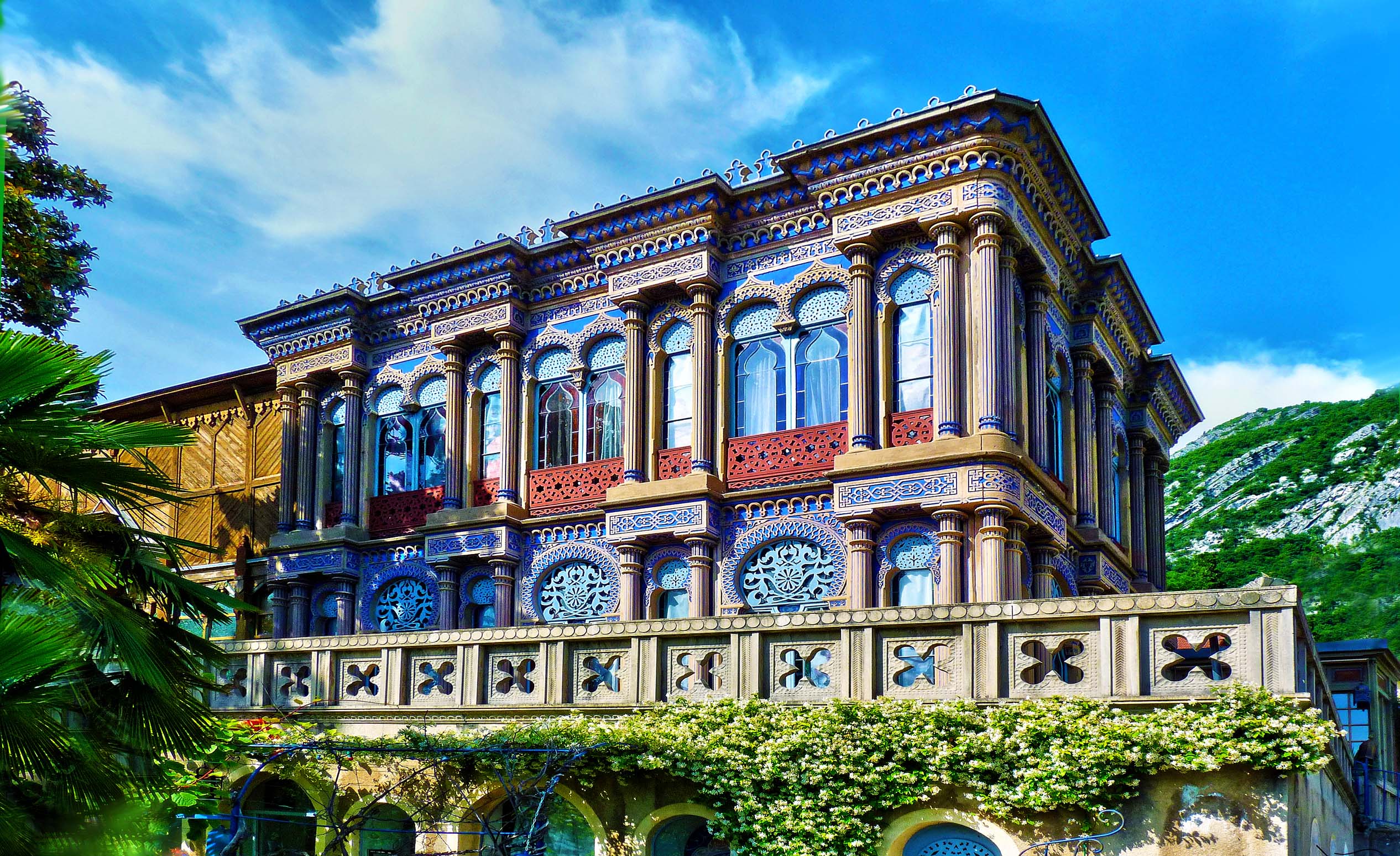
The light ochre color is particularly well-suited for ancient surfaces as it allows for playing with the color of sand and its components like mica to create light effects.
This cement can also be modified by adding colorants, preferably natural ones like yellow ochre or Sienna. It is used for stone repairs, sculptures, finishes, facade restoration, paved alleyways, and more.
Thanks to its aesthetic qualities, Vicat PROMPT natural cement can also be used for large-scale projects, such as the rehabilitation of a 500m² paving access to the Château d’If (link to project page).
For these works, the natural cement was an ideal aesthetic solution, as it matched the color of the stone used. The lime/PROMPT mixture around these stones resulted in a perfect aesthetic finish due to the ochre color of the natural cement. This aesthetic solution is not only natural but also particularly suitable for heritage conservation.
Furthermore, with its light ochre color, waterproofing property, and compatibility with existing surfaces, PROMPT natural cement meets the requirements for restoring submerged ancient structures, such as the restoration of the ancient reflecting pool at the Château de Vaux-Le-Vicomte (link to project page).
Additionally, PROMPT natural cement provides a durable, aesthetic, and heritage-respecting solution. While it is particularly well-suited for restoration work, it is also suitable for other domains like rapid masonry and water & sanitation. Its color and fast setting time make it suitable for waterproofing basins, reservoirs, canals, and more. It's important to note that the final color obtained depends on surface treatment, microclimate, and potential curing. Without treatment, the definitive color is achieved after several months.
Moreover, the dosage of PROMPT natural cement can be increased to enhance the light ochre shade and slightly vary the color of the stone.
Natural Prompt cement has a characteristic light ochre colour, which distinguishes it from grey Portland cements. This natural shade comes directly from the argillaceous limestone rock extracted from the Chartreuse massif, with no added pigments. The final colour depends on the dosage, the sand used, the surface treatment and the curing conditions: it can range from a very light straw ochre to a deeper ochre.
Yes. The natural ochre colour can be modified by adding colorants, preferably natural and compatible with hydraulic binders: yellow ochre, Sienna earth, iron oxides. The pigments must be incorporated dry into the Prompt and sand mix, before adding water, to ensure shade homogeneity. The pigment dosage should generally not exceed 5% of the cement weight.
The ochre colour reveals itself gradually after application. It appears after a few hours to a few days, and can continue to evolve for several months depending on the exposure conditions. The microclimate (humidity, sunlight, wind), any surface treatment and the type of sand used all influence the final colour. Without treatment, the final colour is obtained after several months.
Yes, natural Prompt cement is well suited to smoothed and floated finishes, provided that you work before the start of setting or use the TEMPO retarder to obtain a sufficient open time. For a polished or waxed finish, lime-based finishing techniques or post-cure water-repellent treatments allow obtaining a finish similar to natural stone. This versatility makes it a valued material for moulding, sculptures and façade finishes.