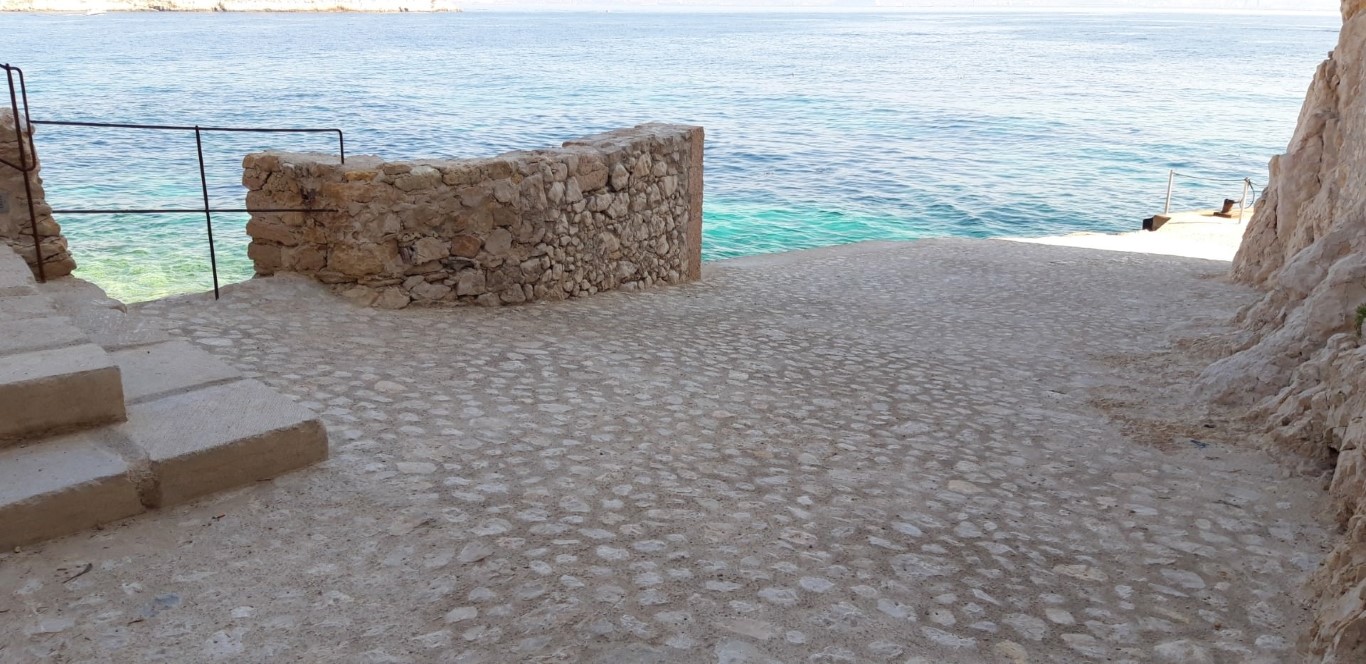
Over time, hydraulic structures and pipes can develop weaknesses, such as cracks or water leaks.
Solution
Natural PROMPT cement is most commonly used as a neat paste, taking advantage of its rapid setting and hardening properties, even under water, making it a simple, fast and effective solution for sealing active leaks.
Before preparing the neat paste, ensure that the substrate is properly prepared by removing all contaminants that could impair adhesion of the cementitious material.
Technique
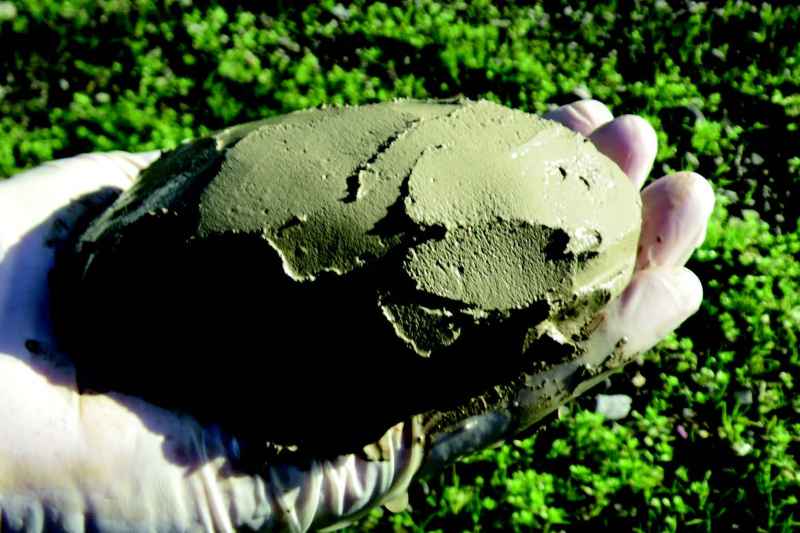
To prepare the neat paste, mix only the quantity required for immediate use. Rapidly and thoroughly blend the natural PROMPT cement with approximately one-third of its volume of water to obtain a plastic, putty-like consistency.
Form the paste into a ball and apply it firmly onto the area where water ingress occurs, maintaining pressure until initial set is achieved.
For permanent repairs, this initial plugging operation should subsequently be completed with a PROMPT cement mortar repair.
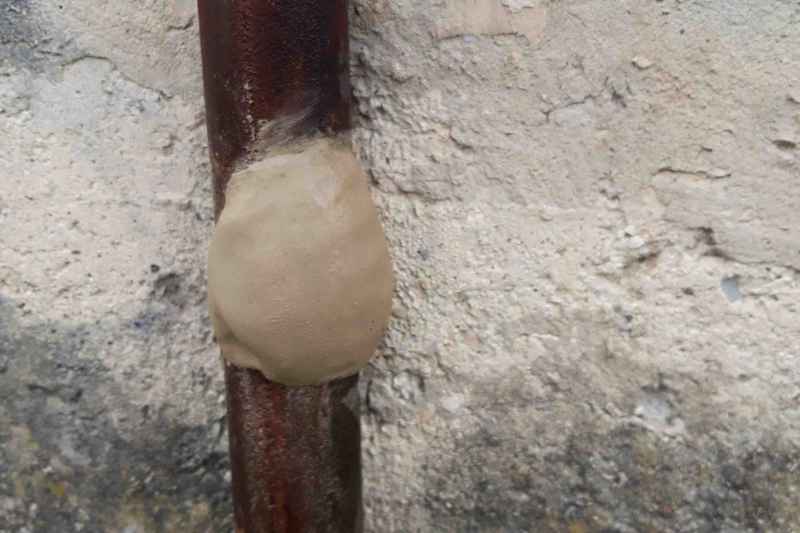
Natural PROMPT cement is suitable for a wide range of water-related and civil engineering structures, including:
- Basins and reservoirs
- Fountains
- Tanks and cisterns
- Stormwater and wastewater networks
- Manholes and inspection chambers
- Channels and cofferdams
It can also be used in emergency situations to seal leaks on marine structures or boat hulls.
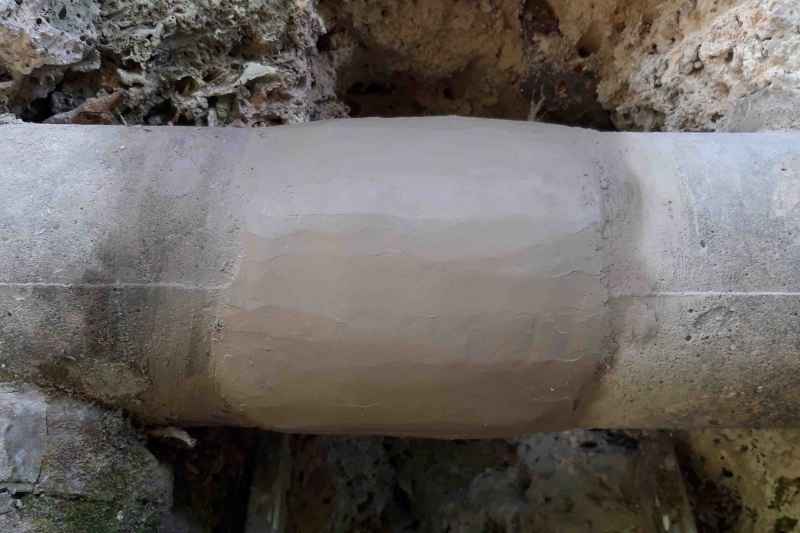
Natural PROMPT cement provides several key advantages for hydraulic repair works:
- Very rapid setting, including in the presence of water
- Effective for plugging, sealing, anchoring and emergency leak stoppage
- Excellent adhesion to a wide variety of substrates
- High durability due to its mineralogical composition
- Suitable for underwater applications and aggressive environments
- Cost-effective and long-lasting solution